Modern CSS Layouts Part 4: Building Real-World Responsive Page Patterns
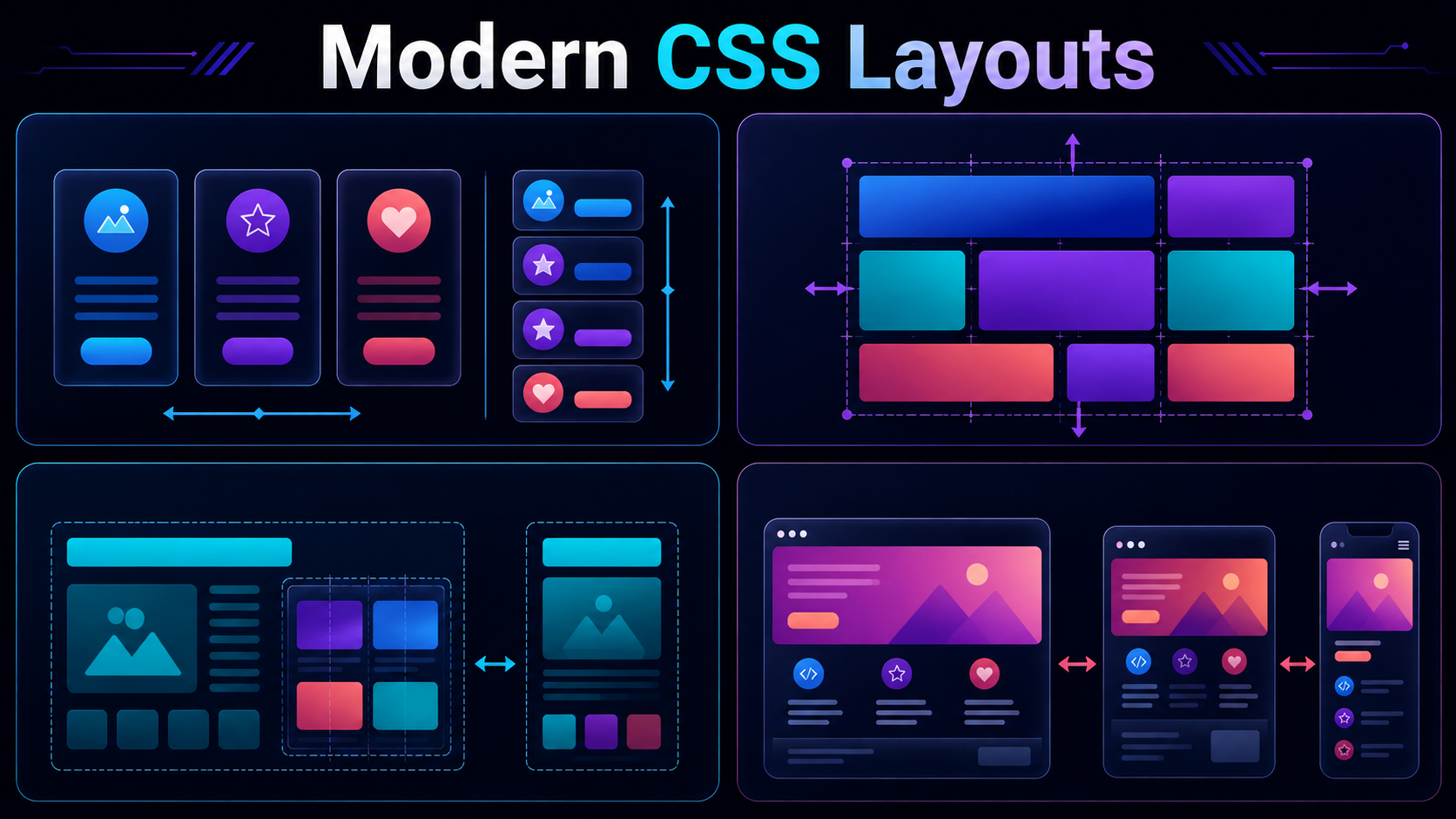
Welcome to the fourth and final installment of our modern CSS layouts series here at Techie Tweetz! Throughout this journey, we have dissected the inner workings of CSS Grid, Flexbox, and the cutting-edge realm of Container Queries. If you are just joining us, do not worry. While this article acts as the grand finale of … Read more
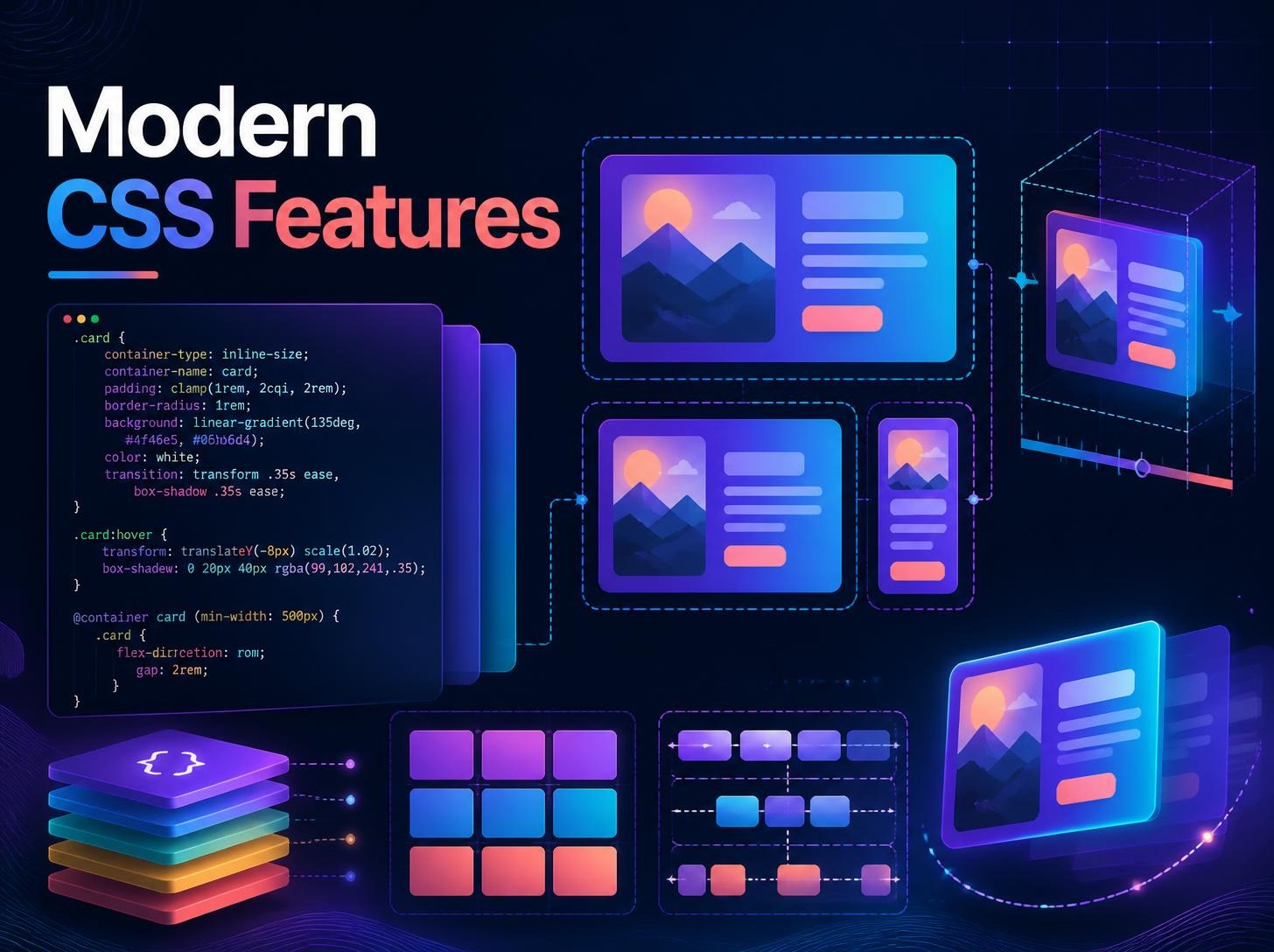
Modern CSS Layouts Part 3: Container Queries and Subgrid Techniques

Welcome back to Techie Tweetz, your home for all things web development, software engineering, and digital design. This article is Part 3 of our ongoing series, Modern CSS Layouts. In our previous installments, we unpacked the foundational aspects of CSS Grid, Flexbox, and logical properties. However, if you are just joining us today, do not … Read more

Modern CSS Layouts Part 2: CSS Grid Fundamentals and 2D Alignment

Welcome back to our series on mastering modern web design! In Part 1, we explored the wonders of Flexbox and how it revolutionized one-dimensional layout design. Today, we are taking a massive leap forward into Part 2 of our four-part series. We are diving deep into the absolute powerhouse of modern web design: the CSS … Read more

Modern CSS Layouts Part 1: Flexbox Essentials and One-Dimensional Flow

Welcome to Techie Tweetz! Today, we are kicking off an in-depth, four-part masterclass series on modern CSS layouts. Over the next few weeks, we will explore the engines that power contemporary web design: Flexbox, CSS Grid, CSS Subgrid, and advanced multi-directional layouts. Whether you are a beginner looking for a solid foundation or an experienced … Read more

Modern CSS Features Part 5: Cascade Layers, Scoping, and Transitions

Welcome to the fifth and final installment of our Modern CSS Features series! Over the last four articles, we have explored the evolution of styling on the web, from advanced custom properties to container queries and state-of-the-art layout engines. Today, we are wrapping up the series by diving into some of the most powerful structural … Read more

Modern CSS Features Part 4: Native Nesting and Advanced Selectors

Welcome to the fourth installment of our five-part series on modern CSS. Throughout this series, we have explored how the web styling landscape has shifted from relying on heavy external tooling toward adopting powerful, standardized browser features. In earlier parts, we covered modern layout algorithms, fluid typography, and native cascade layers. Today, we turn our … Read more

Modern CSS Features Part 3: Container Queries and Fluid Design

Welcome back to our five-part series on modern CSS features. In this series, we are exploring the revolutionary tools and specifications that are changing the way we build for the web. While you do not need to have read our previous installments to follow along with this article, understanding how modern CSS layouts operate will … Read more

Modern CSS Features Part 2: Advanced Flexbox and Layout Patterns

Welcome to the second installment of our five-part series exploring modern CSS architecture. While each part of this series stands firmly on its own feet, together they provide an end-to-end blueprint for crafting scalable, resilient, and highly performant front-end interfaces. In our first installment, we tackled foundational cascade layers and logical properties. Today, we turn … Read more

Modern CSS Features Part 1: Mastering CSS Grid and Subgrid

Welcome to Techie Tweetz! Today, we are launching an exciting new five-part editorial series dedicated to exploring the powerful, modern features of CSS that are reshaping how we build user interfaces. Over the next few weeks, we will dive deep into container queries, modern color spaces, new pseudo-classes, and CSS variables. But before we get … Read more

Tailwind CSS v4: The Modern Era of Utility-First CSS

Tailwind CSS v4: The Modern Era of Utility-First CSS

Few open-source libraries have impacted the frontend development landscape over the last decade quite like Tailwind CSS. By championing a utility-first methodology, it changed how engineering teams style modern web applications, bringing styling directly into component markup while enforcing consistent design constraints. Yet, despite its massive adoption, previous generations of Tailwind carried architectural baggage: heavy … Read more